
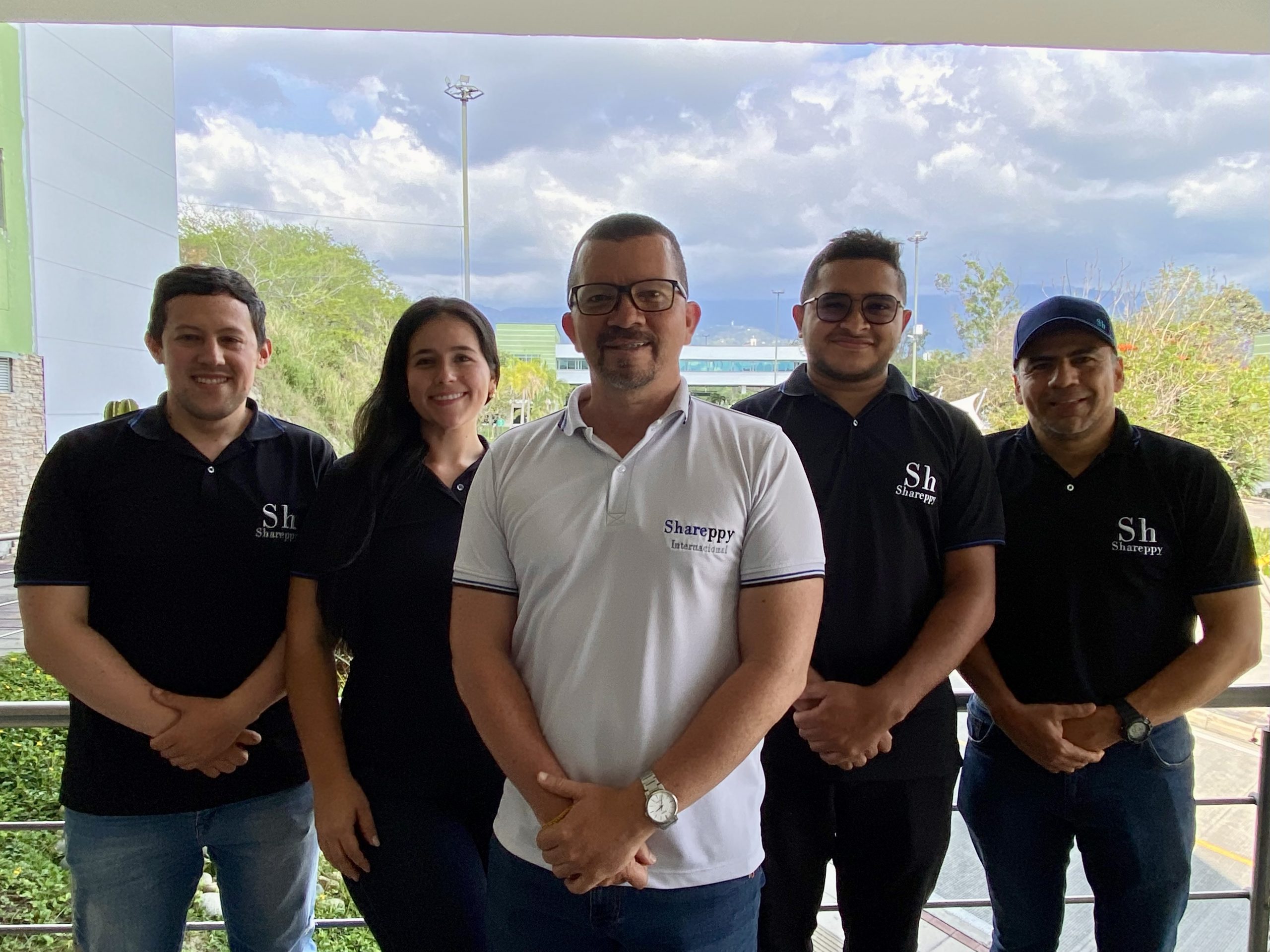
14 May In-house talent: a competitive advantage for fintech
In the fintech world, we often talk about automation, data intelligence, digitization, and operational efficiency. However, behind every robust platform, every agile process, and every successful financial experience, there is one factor that often goes unnoticed: the team of people who make innovation possible.
In May, a month in which we recognize the value of work and human talent, it is worth taking a strategic look: the fintech companies that truly transform the market are not only those that develop the best technology, but those that build teams capable of deeply understanding their clients’ financial needs and turning them into real solutions.
Because in an industry where speed is key, the internal team’s experience becomes a competitive advantage that is difficult to replicate.
Technology advances, but people provide the direction
Digital platforms can automate processes, reduce turnaround times, and optimize operations. But the strategic vision behind these tools stems from the knowledge, experience, and analytical skills of the teams that develop them.
In the financial sector, this is even more important. Financial institutions need solutions that not only work technically but also understand business logic, operational risks, user experience, and regulatory challenges.
That’s why, when a fintech has teams specialized in financial technology, credit analysis, automation, and customer experience, it can build tools that are much better aligned with market realities.
The difference isn’t just in the software. It’s in the people who understand how to make it useful, efficient, and scalable.
Strong Internal Teams: The Invisible Engine of Digital Transformation
Organizations often focus their efforts on acquiring cutting-edge technology, but they forget to strengthen the human talent needed to implement, optimize, and evolve it.
Digital transformation doesn’t happen simply by adopting new platforms. It happens when there is a team ready to turn technology into results.
In fintech, this directly impacts aspects such as:
- The speed of customer response.
- The optimization of credit processes.
- The reduction of operational errors.
- Improvements in scoring models.
- The digital user experience.
- The ability to adapt to market changes.
A committed and trained team can identify opportunities for improvement even before the customer requests them. And that ability to anticipate is one of the most valuable characteristics in today’s financial ecosystem.
The internal experience also improves the customer experience
There is a direct link between the experience of internal teams and end-user satisfaction.
When employees have intuitive tools, organized processes, and technology that makes their work easier, they can focus on creating value rather than resolving operational friction.
This translates to:
- More agile processes.
- More efficient customer service.
- Shorter response times.
- Greater capacity for personalization.
- More satisfied and loyal customers.
In other words: prioritizing the internal experience is also a business growth strategy.
The Value of Combining Human Talent and Financial Technology
True fintech innovation occurs when human expertise and technology work in tandem.
Digital platforms enable the automation of repetitive tasks, the centralization of information, and the creation of traceability. But it is the teams that interpret the data, design strategies, and build trusting relationships with customers.
At Shareppy International, we understand that technology must serve people and financial processes. That is why we develop solutions that enhance operational efficiency without losing sight of the human factor that drives every transformation.
Tools such as credit self-management platforms, document digitization, intelligent scoring, and process automation are not only designed to optimize time. They also aim to streamline the daily work of the financial and sales teams behind every transaction.
In fintech, human talent remains the most valuable asset
Artificial intelligence, automation, and digitization will continue to transform the financial sector. But no technology can completely replace the human ability to understand context, build relationships, and make strategic decisions.
The fintech companies that will lead the future are those that understand that investing in technology also means investing in the people who make it possible.
Because in the end, the best financial solutions don’t come solely from technological development. They come from teams capable of transforming complex challenges into simple, agile, and human experiences.
And that internal experience, when properly strengthened, becomes a competitive advantage that the market truly recognizes.
At Shareppy International, we believe in a digital transformation that combines efficiency, automation, and human talent to generate real impact in the financial sector.
Is your organization ready to turn your team’s experience into a competitive advantage?
Let’s talk about how the right technology can enhance both your processes and the value of your human talent.
👉 www.shareppyinternacional.com
📱 Text us on WhatsApp: +57 324 296 5208
📧 comunicaciones@shareppyinternacional.com